Top Equipment for Cleaning Pavers: Simplify Your Job More Effortless
Maintaining the outdoor spaces looking pristine is essential, and one of the most effective ways to achieve that is through routine paver cleaning. Brick pavers, with their appeal and robustness, can change any terrace, driveway, or walkway into a aesthetically appealing feature of your home. However, over time, debris, mold, and spots can build up, diminishing from their beauty and potentially leading to costly repairs if not tended to promptly. Learning the most effective tools and techniques for paver cleaning can ease your job substantially easier and keep your surfaces in top condition for the long haul to come.
In this article, we will examine necessary tools and methods that can enhance your paver cleaning experience. From choosing the right cleaning solutions to comprehending how to handle tough stains and the importance of sealing, we will cover everything you need to know. Additionally, we will talk about common errors to avoid and offer insights into specialized services versus DIY cleaning. Whether you are a seasoned homeowner or new to property care, this guide will help you maintain your pavers efficiently and enjoy their beauty without the hassle.
Signs Your Pavers Need Deep Cleaning
One of the most apparent signs that your pavers require deep cleaning is the presence of discoloration. If you see dark spots or blemishes on your driveway or patio, this could indicate that dirt, grime, or algae has accumulated over time. Such stains not only detract from the visual appeal but may also cause long-term damage if not addressed. Regularly checking your pavers for these changes can enable you to detect issues early and maintain their original beauty.
Another sign to look out for is the growth of weeds or moss between the paver joints. This shows that the joint sand may be compromised and permits soil and moisture retention, creating an environment conducive to weed growth. The presence of weeds not only looks unkempt but can also lead to further damage to the pavers as their roots penetrate further. A complete cleaning followed by re-sanding will reduce the likelihood of this issue arising and will enhance the overall durability of your hardscape.
Lastly, if you begin observing mold or mildew growing on your pavers, it's an important cue to consider deep cleaning. Mold and algae thrive in damp conditions and can pose health risks to you and your family. Ignoring these issues can result in slippery surfaces and further deterioration of your pavers. If your outdoor space has turned slippery or shows signs of these organisms, it's time to respond and restore your pavers to a clean, safe condition.
Essential Care Suggestions for Pavers
Maintaining the look and longevity of your pavers demands ongoing upkeep. One of the key responsibilities is routine cleansing to get rid of particles, dust, and fungus. It is wise to clean your pavers once a week and scrub them with a soft cleaning solution every three months. This helps avoid the development of mold and algae, which can contribute to slick surfaces and fading. If https://perfectpaverco.com/ notice any evidence of stains, it is vital to tackle them quickly using suitable cleansing products.
One more critical component of paver maintenance is protective coating. Using a high-quality protective layer can protect your pavers from blemishes, humidity, and solar damage. It's advised to seal your pavers once every one to three years, depending on the variety of sealer and the damage they suffer. Ensure to inspect for indicators that your old sealer should be taken off and replaced, as faded or chipping surfaces indicate a decrease of safeguarding.
To avoid weeds from growing between your pavers, try using specialty sand when re-sanding. This kind of sand solidifies and creates a blockade against weed growth while allowing for proper water management. Additionally, taking care of the joints by periodically checking for gaps and adding sand as required contributes to the overall integrity and aesthetic of your outdoor area. Regular maintenance not only improves the look of your pavers but also extends their lifespan considerably.
Expert vs. Do-It-Yourself Paver Cleaning
When looking into paver cleaning, homeowners often weigh the benefits of professional service against the cost and satisfaction of a DIY approach. Expert paver cleaning typically requires specialized equipment and specialized knowledge that can ensure a thorough job. Professionals are trained to recognize the particular needs of various materials and conditions, minimizing the risk of harm, such as what can happen with incorrect pressure washing or inappropriate cleaning solutions. This knowledge provides assurance, especially for those with bigger areas or intricate patterns.
On the other hand, DIY paver cleaning can be appealing for those looking to save money or take a active approach. With the proper tools and products, homeowners can achieve satisfactory results for little areas or less severe stains. However, frequent mistakes, such as using too much pressure or using unsuitable cleaning agents, can lead to irreversible damage or ineffective cleaning. It’s important for DIYers to educate themselves on optimal methods and to use eco-friendly detergents, especially when vegetation or sensitive environments are involved.
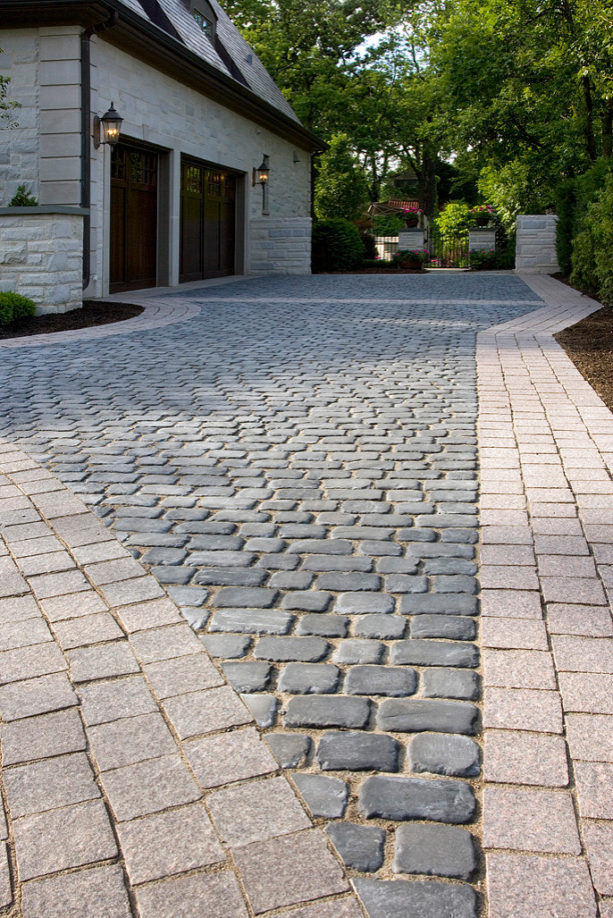
Ultimately, the decision between expert and DIY paver cleaning should consider elements like the extent of cleaning needed, the homeowner's confidence with the task, and the possibility for long-term benefits. Spending in a expert service may save time and provide superior results, whereas a do-it-yourself approach may be suitable for those willing to look into and put in the work. Understanding the consequences of each option will aid homeowners in arriving at the optimal decision for their specific needs.