The Current State of the Electrical Trade: Patterns and Understanding
This electrical industry is witnessing a significant change as tech evolves and new security regulations emerge. Ranging from state-of-the-art smart residential technologies to the necessity of strong earth techniques, electricians are at the forefront of ensuring safety and efficiency in residential spaces. As domestic power needs grow, grasping the nuances of electrical codes and safety protocols is becoming ever more important for professionals and DIY enthusiasts.
In this landscape, electricians face a myriad of challenges, from troubleshooting common problems like blown breakers and flickering lights to managing the complexities of modernizing outdated installations. The integration of Ground Fault Circuit Interrupters and the careful design of circuits for new appliance loads demonstrate the importance of keeping up about latest practices and technologies. This article discusses key trends and insights within the electrician industry, providing readers with insight on essential topics such as proper installation methods, regulatory compliance updates, and the insight of knowing when to hire a professional.
Understanding Wiring Codes and Safety Standards
Wiring regulations and safety standards are critical components of the electrician trade, ensuring the well-being and reliability of electrical installations. These standards are established by bodies such as the National Fire Protection Association (NFPA) through the National Electrical Code (NEC), which is revised regularly to integrate advances in innovation and safety practices. Knowledge with these codes is necessary for electricians, as they determine permissible practices for domestic and business wiring, including the types of substances to use, installation techniques, and safety measures required for different environments.
Adhering to wiring codes also involves understanding local adjustments that may be implemented in specific jurisdictions. Electricians must remain aware with these codes to ensure adherence during installations and inspections. These standards go beyond basic wiring practices; they encompass safety measures such as grounding requirements and GFCI installations in designated locations, recognizing the need to protect against hazards like electrical shock and fire. Consequently, regular learning and development are imperative for electricians who desire to stay up-to-date with leading techniques and local regulations.
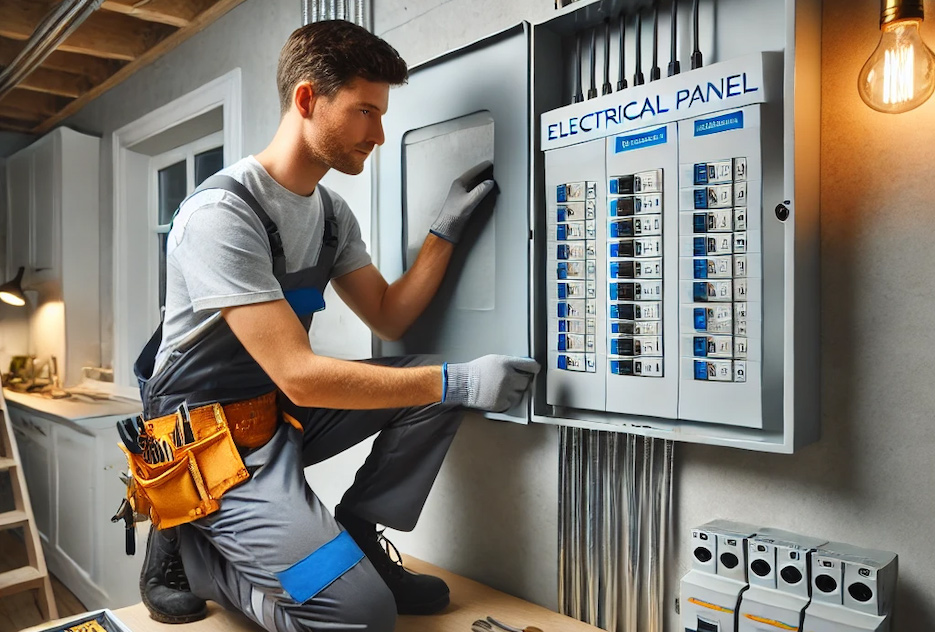
The protection standards outlined by wiring codes serve as a basis for mitigating electrical failures and accidents. By following these guidelines, electricians can lessen risks associated with faulty wiring and outdated systems. For instance, being aware how to correctly ground an electrical system, using the appropriate gauge wire for various circuits, and ensuring that installed components meet required qualifications all contribute to the creation of reliable and trustworthy electrical systems in homes and businesses. Ultimately, understanding and implementing these codes is essential for ensuring the well-being of both electricians and their clients.
Diagnosing Frequent Electrical Issues
One of the most regular issues homeowners face is reset breakers. blog link happens when there is an overload on a line or a short. To resolve this, the initial step is to figure out which device is creating the overload. Turn down all appliances on the troublesome circuit, then reboot the breaker. If it triggers again, it may indicate a more serious issue, such as faulty wiring or a faulty appliance, requiring further inspection by a certified electrician.
Another regular electrical problem is blinking lights, which can be due by several factors, including unsecured connections, defective light bulbs, or inadequate circuit capacity. Start by inspecting the light bulb and changing it if necessary. If the problem persists, check the connections at the light fixture and switch for looseness. If those all appear secure, it may be indicative of a larger wiring issue that needs professional evaluation to ensure safety.
Intermittent power problems can be particularly annoying, often leading to disruptions to daily activities. These issues may stem from degraded wiring, rusted connections, or even the age of electrical components. To diagnose, check for any obvious signs of deterioration or damage around outlets and cords. If any components appear compromised, do not try to fix them without the help of a licensed electrician, as this can pose significant safety risks. Regular inspections and maintenance can help prevent these types of problems before they escalate.
Connected Home Electrical Recommended Standards
As smart home technology is constantly evolve, it is critical to follow best practices in wiring to ensure compatibility and safety. When setting up a smart home installation, consider developing circuits that account for the higher load from different devices, such as smart illumination, climate control systems, and security systems. This allows for a easy integration of technology while maintaining efficiency and avoiding overloading breakers. Proper load calculations will prevent overloading existing circuits and ensure a dependable power supply for each smart devices.
Another crucial aspect is choosing the correct gauge wire for specific circuits used within a smart home. Using the appropriate wire size is not only essential for safety but also for performance. Thicker wires can manage higher loads and minimize power loss, which is particularly critical for devices that require a steady power supply. Additionally, it's crucial to use wiring that meets with the latest regulations and standards to ensure that your smart home is secure and efficient.
Finally, consider future technology upgrades by adding provisions for extra outlets or circuit expansions. This means planning for a flexible layout that accommodates extra devices without major reconstruction. Moreover, consider incorporating wire-free technology where appropriate, as this can decrease the amount of wiring required and streamline installation. Properly implementing these recommended practices will not only help in achieving a operational smart home but also enhance overall safety and user experience.